How to Spot Quality Keepsakes: A Practical Guide

Last Updated: October 11, 2026
What Makes a Keepsake Worth Keeping
A keepsake is an item you hold onto because it holds meaning, and the best ones are those where you can spot quality keepsakes that will survive decades of keeping. It's not about the object itself, it's about what it represents. A personalized baby blanket from a new parent, an engraved bracelet from a best friend, a wedding ornament from your ceremony, these become treasured because they mark a moment or celebrate someone you love.
Sentimental value and physical quality are different things. A keepsake that falls apart defeats its purpose, you want something that will survive decades of keeping.
Learning to spot quality keepsakes means knowing what to look for in materials, construction, personalization, and the seller's process.
Pro Tip The best keepsakes balance emotional meaning with physical durability. Don't settle for something that looks nice but won't survive storage, handling, or time.
Keepsake Materials and Craftsmanship: What to Inspect
The material your keepsake is made from determines whether it lasts five years or fifty. You need to know what quality looks like in that specific material and what defects to watch for.

Wood Keepsakes: What to Look For
Solid wood is better than veneer. Look for consistent grain and color across the entire piece, blotchy or uneven staining signals poor finishing.
The surface should feel smooth, not rough or splintery. Check edges and corners, rough edges, splinters, or visible tool marks indicate shortcuts in finishing.
Corners should be tightly fitted with invisible glue joints. Visible gaps or thick lines of dried adhesive signal poor construction.
Red flags: visible cracks, warping, loose parts, uneven stain, or unfinished areas on the back or inside.
Metal Keepsakes: Checking for Durability
Stainless steel and sterling silver resist tarnishing and corrosion. Cheap alloys and low-grade brass will discolor or corrode within months.
If the description doesn't specify the metal type, ask before buying. Reputable sellers will tell you exactly what they use: stainless steel 316, sterling silver (925), solid brass, or bronze.
Quality engraving creates a crisp, clean line you can feel. Shallow or blurry engraving suggests a rushed process and may wear away with handling.
Metal should have a consistent sheen. Look at the back and sides, not just the front, quality makers finish all surfaces.
Red flags: visible seams, pitting, uneven plating, rough edges, or tarnish already visible on new items.
Glass and Ceramic Keepsakes: Weight and Thickness
Quality glass keepsakes have noticeable weight and thickness. If ordering online, check the product weight and dimensions.
Quality ceramics feel solid, not hollow or fragile. Thin-walled ceramics are prone to chipping and breaking.
The glaze should be smooth and even, extending all the way to the bottom. Unglazed bottoms can absorb moisture and cause staining or mold.
Quality personalization on ceramic is either carved into the piece or printed with a durable process that bonds to the material.
Red flags: visible cracks, chips on edges, unglazed areas, printing that could rub off, or thin walls.
Fabric Keepsakes: Weave, Weight, and Seams
Quality fabric has a tight, consistent weave. Loose weaves pill easily and fall apart with washing. Heavier fabric usually means better quality.
Seams should be straight, even, and tight, with reinforcement at corners. Embroidery or printing should be secure and not puckering the fabric.
Check the care instructions. Quality fabric keepsakes come with clear washing guidelines. If there are no care instructions, that's a warning sign.
Red flags: loose seams, pilling, thin feel, loose threads, puckering personalization, or no care instructions.
Construction Details That Signal Quality Across All Materials
Across all materials, look for: invisible seams and joints, smooth finished edges, finished back and underside, appropriate weight and balance, and centered personalization placement.
Watch Out If you can spot construction shortcuts, loose seams, rough edges, visible glue, unfinished areas, the keepsake will deteriorate faster. These aren't just cosmetic; they signal that durability wasn't a priority in manufacturing.
Evaluating Personalized Keepsake Gifts for Quality
Personalized items require an extra layer of inspection. The personalization itself needs to be perfect. A misspelled name or off-center monogram ruins the gift.
Checking Engraving and Personalization Accuracy
Verify the name spelling, date accuracy, initial order, font readability, and placement.
Real customer photos show how personalization actually looks on the finished product.
Confirm the seller's approval process: What happens if something arrives wrong?
Verifying Production Quality Before Purchase
Verify the seller's reputation by checking reviews about personalization quality, spelling accuracy, centering, and whether items match the proof.
Ask: How long does production take? What's your process if something arrives with errors? Sellers who stand behind their work answer clearly.
Research the company: How long have they been in business? Do they specialize in personalized goods? Are they responsive to questions?
Meaningful Keepsake Ideas and Matching Quality to Purpose
The best keepsake is built for how it will actually be used. A memorial keepsake that sits on a shelf has different durability needs than a baby blanket that gets washed weekly.
Ask: How will this keepsake be used? Will it be displayed, handled frequently, washed, or exposed to sunlight? How long does it need to last? Your answers determine what quality level you need.
Wedding Keepsakes: Built for Display and Longevity
Wedding keepsakes often become heirlooms. They need to withstand decades of handling, moving, and storage.
For a personalized wedding ornament: durable materials (metal, quality ceramic, or thick glass), secure personalization (engraving or high-quality printing), sturdy hanging hardware, and protective packaging.
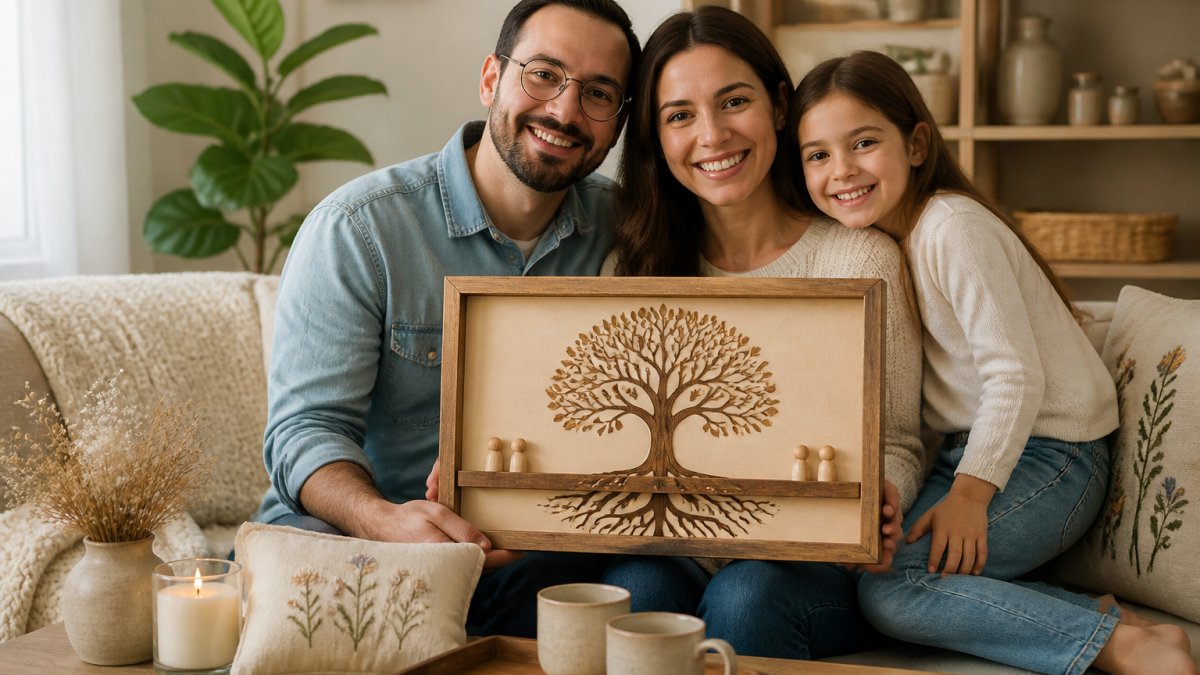
For an engraved picture frame or keepsake box: solid construction, deep crisp personalization, materials that resist tarnishing, and finished back and sides.
Wedding keepsakes rarely get heavy use, so prioritize visual quality and personalization accuracy. However, they need to resist fading and deterioration over decades.
Baby Keepsakes: Built for Handling and Washing
Baby keepsakes get handled constantly and need to survive frequent use and washing.
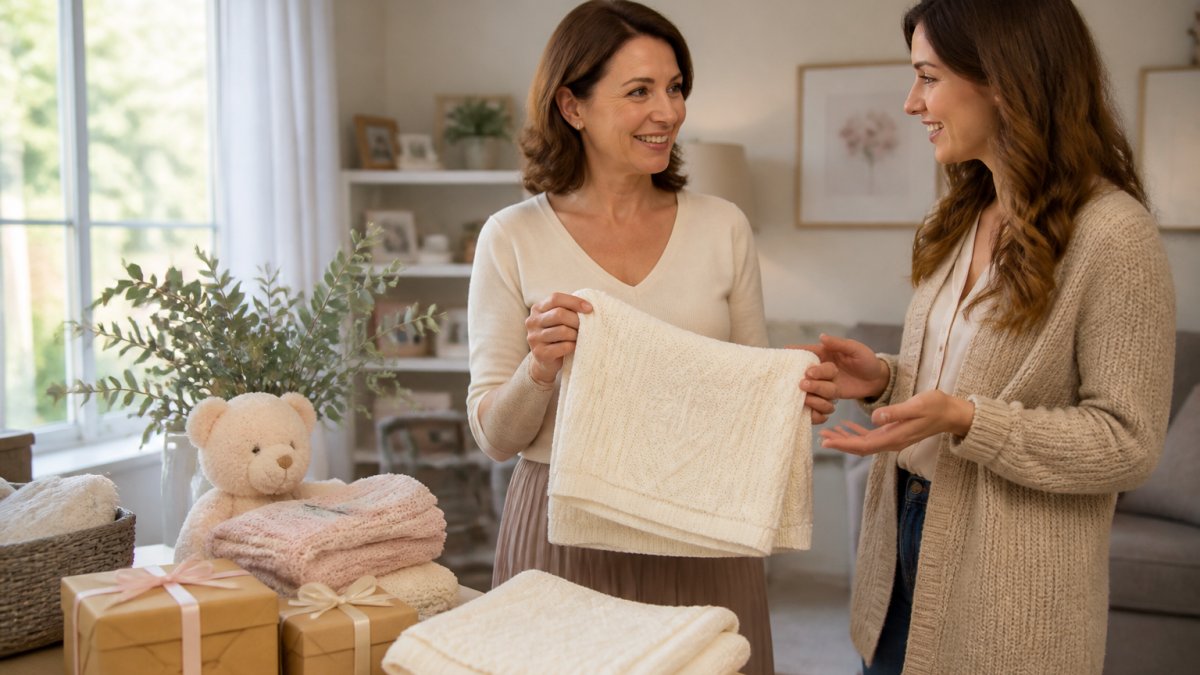
For a personalized baby blanket: quality fabric (100% cotton or cotton blends), secure embroidery or printing, reinforced seams, and clear care instructions.
For a keepsake box or memory book:
Sturdy construction that survives being opened and closed hundreds of times
Pages that won't tear or yellow quickly
Personalization that's durable
Hinges and closures that work smoothly and don't break
Baby keepsakes are often handled roughly by children and washed frequently. Prioritize durability and washability over delicate finishes. A baby blanket that falls apart after a few washes defeats its purpose.
Memorial Keepsakes: Built for Permanence
Memorial keepsakes carry emotional weight and often need to last a lifetime or longer. They're rarely replaced. They need to resist fading, tarnishing, and deterioration.
For engraved jewelry (a bracelet, locket, or pendant):
Solid metal, not plated
Deep, crisp engraving that won't wear away with handling
Secure clasps and closures that won't break
A finish that resists tarnishing
For a personalized photo frame or memorial plaque:
Materials that resist fading and discoloration
Personalization that's permanent
Sturdy construction that won't warp or deteriorate
Protective backing that keeps moisture out
For a custom ornament or keepsake box:
High-quality materials (solid wood, metal, or thick ceramic, not thin plastic)
Personalization that's deep and permanent
Finish that resists tarnishing and fading
Packaging that protects during long-term storage
Memorial keepsakes are often stored carefully or displayed in a protected spot. You can prioritize permanence and material quality over frequent handling. Look for items made from materials that naturally resist aging: stainless steel, solid wood, quality ceramics, and genuine metals.
Matching Quality Inspection to Your Keepsake's Purpose
Once you know how the keepsake will be used, you know what to inspect:
For frequently handled items (baby blankets, jewelry, items children will touch):
Check seams and stitching for strength
Verify personalization is secure and won't peel or fade
Look for reinforced stress points
Confirm care instructions are clear and realistic
For displayed items (ornaments, frames, plaques):
Check for fading or discoloration in product photos
Verify personalization won't fade or chip over time
Look for materials that resist UV damage
Ensure the finish is even and high-quality
For stored items (keepsake boxes, memory books, heirlooms):
Check for materials that resist warping and moisture
Verify personalization is permanent (engraved, not printed)
Look for sturdy hinges and closures
Ensure packaging protects during storage
Key Takeaway Match the keepsake's material and construction quality to how it will actually be used. A baby blanket needs different durability than a memorial ornament. A frequently handled item needs stronger seams than a carefully stored heirloom. Know the purpose, then inspect accordingly.
How to Preserve Keepsakes So They Last
Even quality keepsakes need proper care. How you store and handle them affects their lifespan.
Keep keepsakes away from direct sunlight, which fades colors and weakens materials over time (Limiting Light Damage). Store them in a cool, dry place. Extreme temperature changes can cause materials to expand and contract, leading to cracks or warping.
For personalized items, handle them gently. Avoid touching engraved or printed areas repeatedly, as oils from your hands can smudge or wear away details. Store delicate items wrapped in soft cloth.
If a keepsake is meant to be displayed, rotate it occasionally so one side doesn't fade more than the others. Keep it away from heat sources and humidity.
For fabric keepsakes like blankets or quilts, wash according to the care instructions. Use gentle detergent and avoid bleach. Store in a breathable container, not plastic, which can trap moisture.
Your Quality Checklist Before Buying
Use this checklist before you commit to a keepsake purchase:
Quality Indicator | What to Check | Red Flag |
Material | Solid, specified in description | Generic "metal" or "material" |
Construction | Smooth seams, even edges, no gaps | Rough edges, loose parts, visible glue |
Weight/Feel | Substantial and solid | Flimsy or hollow-feeling |
Personalization Proof | Check with seller | No proof offered or delays in providing it |
Seller Reputation | Positive reviews about quality and accuracy | Few reviews or complaints about errors |
Finishing | Details on back match front | Unfinished or neglected areas |
Packaging | Arrives protected, not damaged | Arrives loose or damaged |
Before purchasing a personalized keepsake, verify:
The seller's return policy covers personalization errors
Production timeline works for your deadline
Reviews mention personalization accuracy
You understand the material and care requirements
The price reflects the quality and customization
Choosing a quality keepsake means thinking beyond the first impression. The best keepsakes combine meaningful personalization with solid construction and materials that last. When you know what to inspect, you can confidently select items that will be treasured for years.
At GiftAndGathering, we understand that a keepsake represents a moment or a relationship. That's why we focus on personalized gifts and keepsakes designed to last. When you're ready to find something truly special for a wedding, new baby, or meaningful milestone, our Personalized Gifts collection offers items crafted with attention to both meaning and durability. Start by exploring what resonates with your occasion.
Frequently Asked Questions
What makes a keepsake high quality?
High-quality keepsakes combine durable materials, precise craftsmanship, and careful attention to detail. Look for solid construction with reinforced seams or joints, smooth finishes without rough edges, and accurate personalization. The material should feel substantial when you hold it, not flimsy or hollow. If it's engraved or monogrammed, the lettering should be clean and centered. Quality keepsakes are made to withstand years of handling and display without fading, cracking, or deteriorating.
How can you tell if a personalized keepsake is well made?
Examine the personalization closely before ordering. Verify spelling, centering, and font choice. Once it arrives, inspect the engraving for clean lines, consistent depth, and proper alignment. Check that any monogram or name doesn't look rushed or uneven. For printed personalization, the image should be sharp and vibrant, not blurry or faded. Quality personalized keepsakes show the same attention to detail in the custom work as in the base item itself.
What materials make a keepsake last longer?
Solid materials like wood, ceramic, stainless steel, and high-quality glass hold up better than thin metals or plastic. Wood should be properly sealed or finished to resist moisture and warping. Metal keepsakes benefit from tarnish-resistant finishes. Ceramic and glass should feel substantial, not delicate. Avoid items with thin walls, cheap adhesives, or exposed seams. Natural materials like hardwood and ceramic age gracefully, while synthetic materials may yellow or crack over time. The key is choosing items built to last decades, not just seasons.
How should you care for a keepsake so it lasts?
Store keepsakes away from direct sunlight, extreme temperatures, and humidity, which cause fading and damage. Dust gently with a soft cloth; avoid harsh chemicals unless the manufacturer recommends them. For delicate items like ornaments or jewelry, use padded storage boxes. Keep engraved or personalized items out of high-traffic areas where they might get knocked over. Handle them occasionally to appreciate them, but store them safely between viewings. Proper care preserves both the physical condition and the sentimental value for years to come.
See Our Favorites
Comments